
Pennsylvania country club scene is a magnet for the ultra-wealthy, offering an unparalleled blend of luxury, exclusivity, and world-class amenities. From historic institutions with storied pasts to modern enclaves catering to the elite, these clubs represent the pinnacle of opulence. Below, we dive into the top 25 most exclusive and expensive country clubs in the Pennsylvania State, each epitomizing the lavish lifestyle sought by the affluent.
25. Cedarbrook Country Club

Cedarbrook Country Club, located in Blue Bell, Pennsylvania, boasts a rich and evolving history dating back to its origins as Stenton Country Club in 1909. While its initial golf course was situated on leased land in the Chestnut Hill section of Philadelphia, the club eventually relocated to its current home in 1962. The present 18-hole championship course, designed by William F. Mitchell, offers a challenging and picturesque experience, characterized by its tight, hilly, and tree-lined fairways, as well as the strategic presence of water hazards on several holes.

Beyond its engaging golf course, Cedarbrook Country Club provides a comprehensive range of amenities designed to cater to its members’ diverse interests. The club features extensive practice facilities for golfers, along with a full-service pro shop. For those seeking other recreational pursuits, Cedarbrook offers tennis courts, a swimming pool, and dedicated areas for social gatherings and dining. With a focus on providing a welcoming and family-friendly atmosphere, Cedarbrook Country Club strives to be a “home away from home” where members can enjoy open tee times, comfortable dining, and a vibrant community.
24. Laurel Valley Golf Club

Nestled in the picturesque Laurel Highlands of Western Pennsylvania, Laurel Valley Golf Club stands as a testament to both challenging golf and a rich history connected with the sport’s legends. Established in 1959, the course was originally designed by Dick Wilson, who famously called the chosen site “the most natural, beautiful site I have ever seen for a golf course.” Later, golf icon Arnold Palmer, a Western Pennsylvania native himself, became intimately involved with the club, contributing to its ongoing refinements and solidifying its reputation as a premier golfing destination.
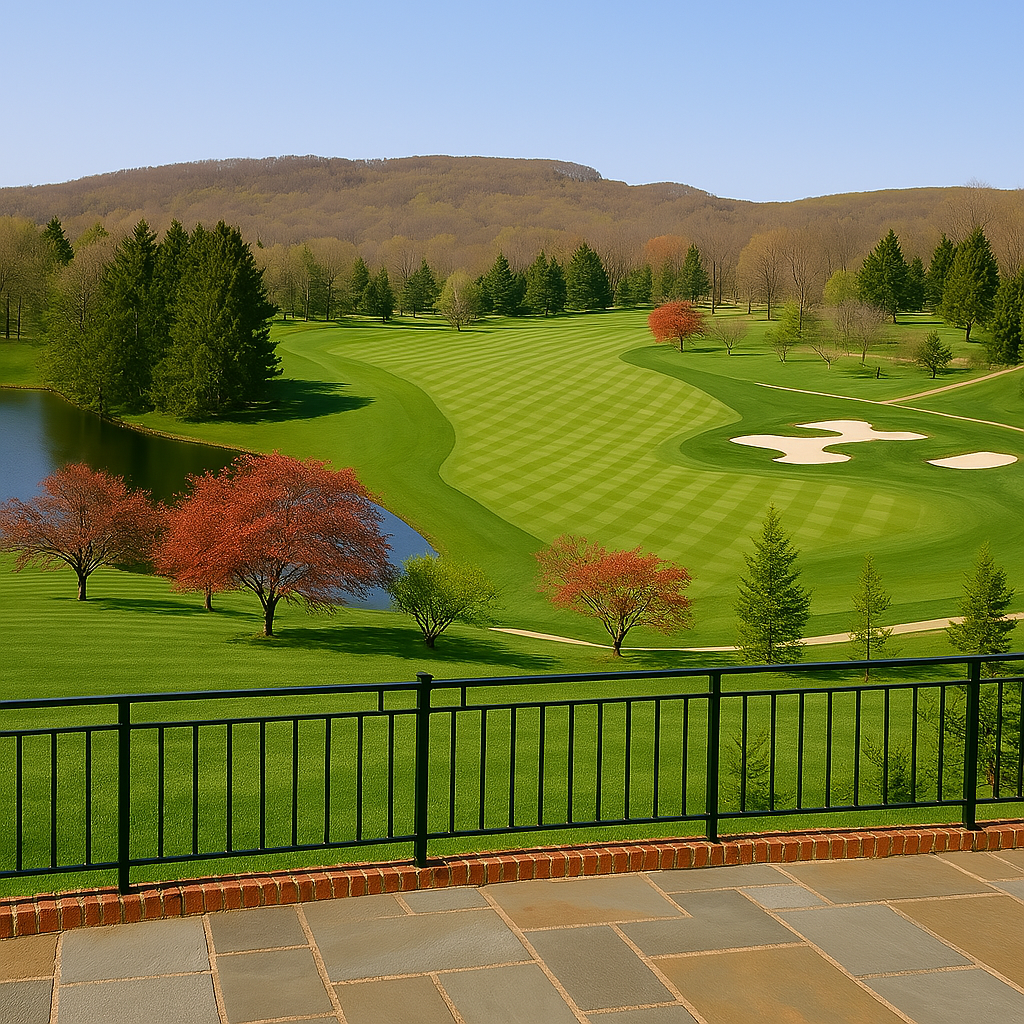
Laurel Valley’s place in golf history is underscored by the significant championships it has hosted. Just six years after its opening, the club welcomed the 1965 PGA Championship, a testament to its immediate recognition as a top-tier venue. This was followed by the prestigious 1975 Ryder Cup, where the United States team, captained by Arnold Palmer, dominated Great Britain & Ireland. Beyond these major events, Laurel Valley has continued to attract high-profile tournaments, including the U.S. Senior Open and the Senior PGA Championship, cementing its legacy as a course that consistently tests the skills of the world’s best golfers.
23. Radnor Valley Country Club
Radnor Valley Country Club, nestled in Villanova, Pennsylvania, carries a fascinating history that began in 1951 with the acquisition of the former Franklin McFadden estate. While the initial open house for prospective members was thwarted by a heavy snowstorm, a second attempt proved successful, leading to the club’s establishment with golf as its primary focus. Noted Philadelphia course architect Dick Wilson, known for his work on esteemed courses like Shinnecock Hills, was commissioned to design the original layout, which opened for play in 1953.
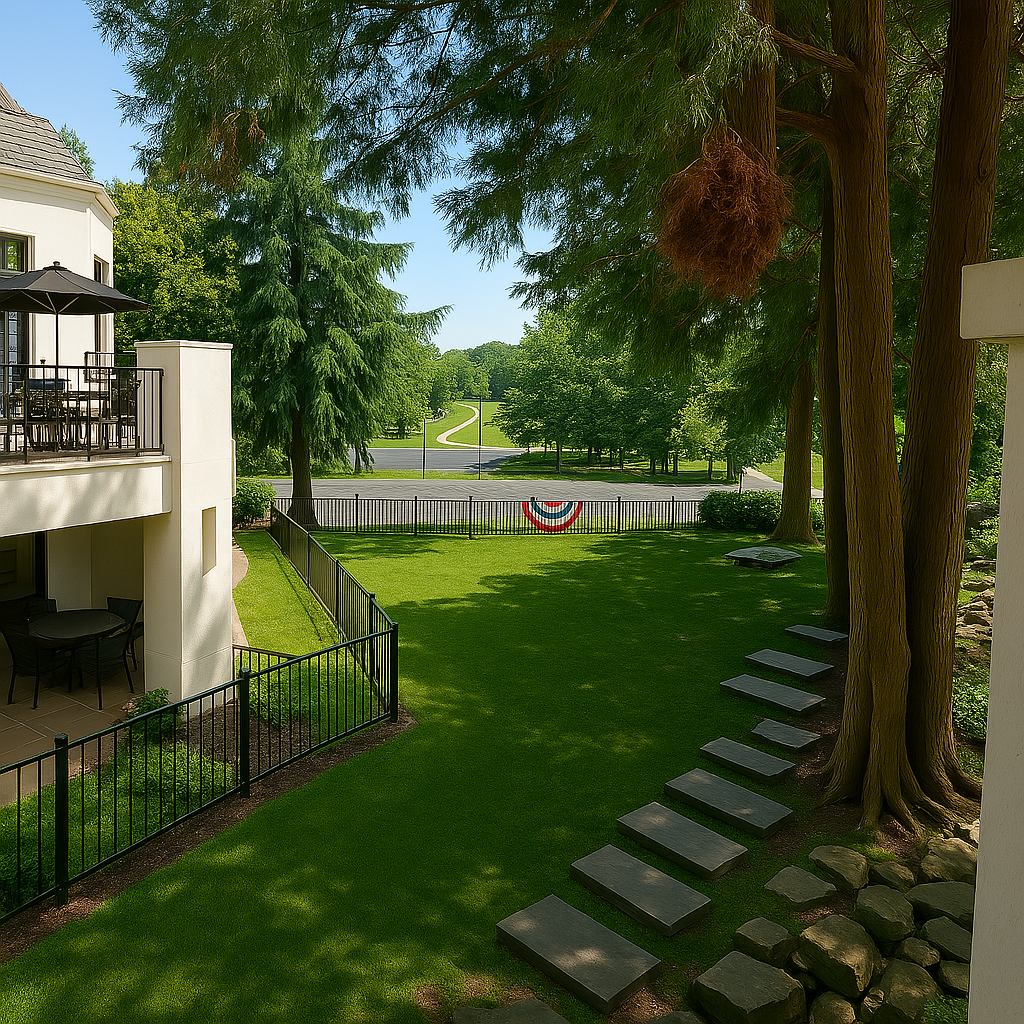
Over the decades, Radnor Valley Country Club has adapted to evolving needs and external changes. The construction of the “Blue Route” (I-476) in the mid-1960s necessitated a significant redesign of the golf course. Following Dick Wilson’s passing, the task fell to Bill and Dave Gordon, who had both learned their craft under Wilson’s mentors, William Flynn and Howard Toomey, ensuring a continuity of classic design principles. Beyond golf, the club expanded its offerings to include a swimming pool and racquets facilities, solidifying its status as a welcoming, family-oriented country club in the heart of the Main Line.
22. Overbrook Golf Club

Overbrook Golf Club, established in 1900, holds a prominent place among the venerable private clubs of the Philadelphia Main Line. Its origins trace back to the Overbrook Club, a social organization that embraced the burgeoning popularity of golf at the turn of the 20th century. While the club initially leased land for its first nine-hole course, its dedication to golf quickly led to expansion. By 1920, with plans crafted by the renowned Donald Ross, Overbrook officially opened its full 18-hole course at a site now occupied by Lankenau Hospital, further solidifying its commitment to the game.
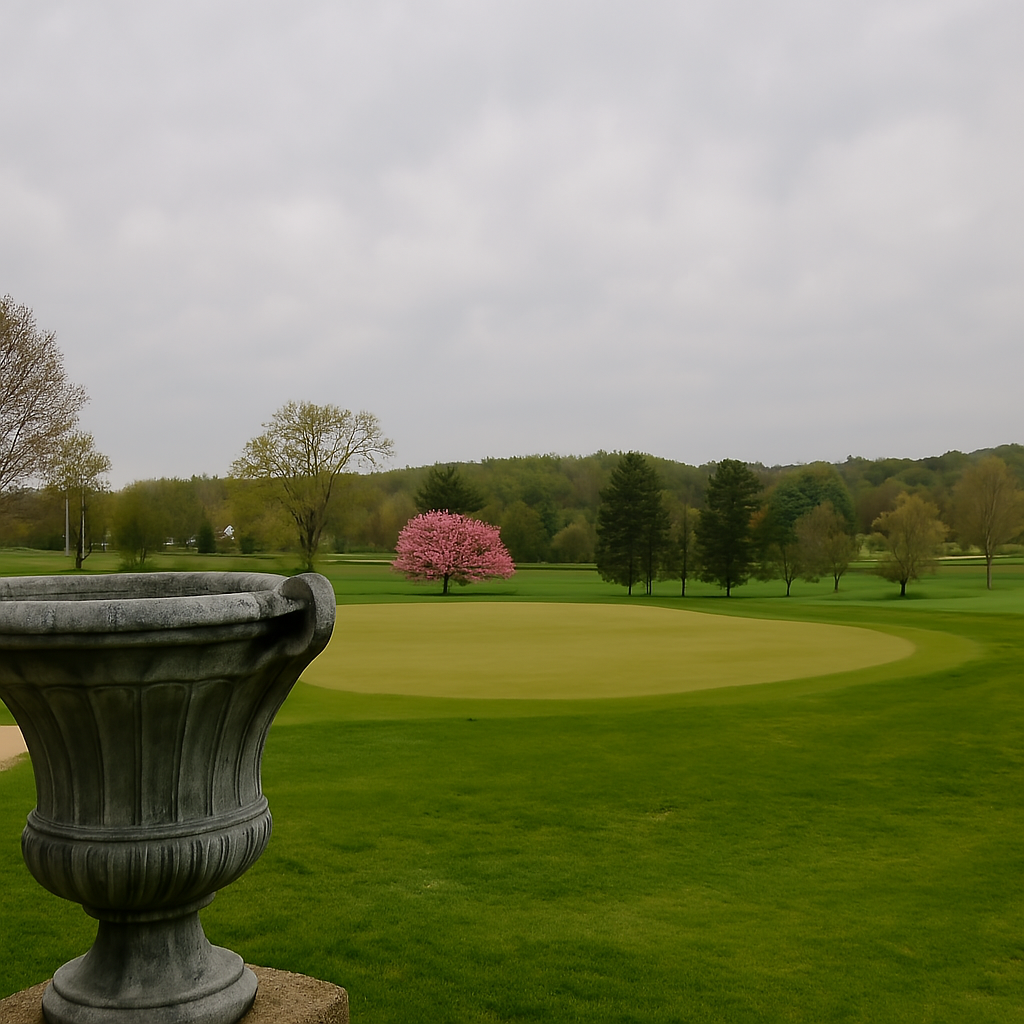
The club’s journey to its current location in Villanova, Pennsylvania, in 1950 marked another significant chapter. Here, on 128 magnificent, rolling acres, Overbrook Golf Club has cultivated a reputation as a premier family country club. While maintaining a strong golf history with a challenging 18-hole course, it also offers a comprehensive array of amenities, including racquets facilities, a swimming pool, and various social programs. Overbrook prides itself on fostering a welcoming and friendly atmosphere, aiming to provide excellent service and facilities that cater to the diverse recreational and social desires of its member families.
21. Green Valley Country Club
Green Valley Country Club, situated in Lafayette Hill, Pennsylvania, boasts a compelling history that began in 1919. Initially, the club established its first golf course at a nearby location, with a design attributed to the esteemed Willie Park, Jr. However, the club’s current and enduring 18-hole championship course, which opened in 1924, is the masterful creation of the renowned American golf course architect William Flynn. This transition marked a significant step for Green Valley, solidifying its identity with a course that has been described as a “hidden gem” within the region.
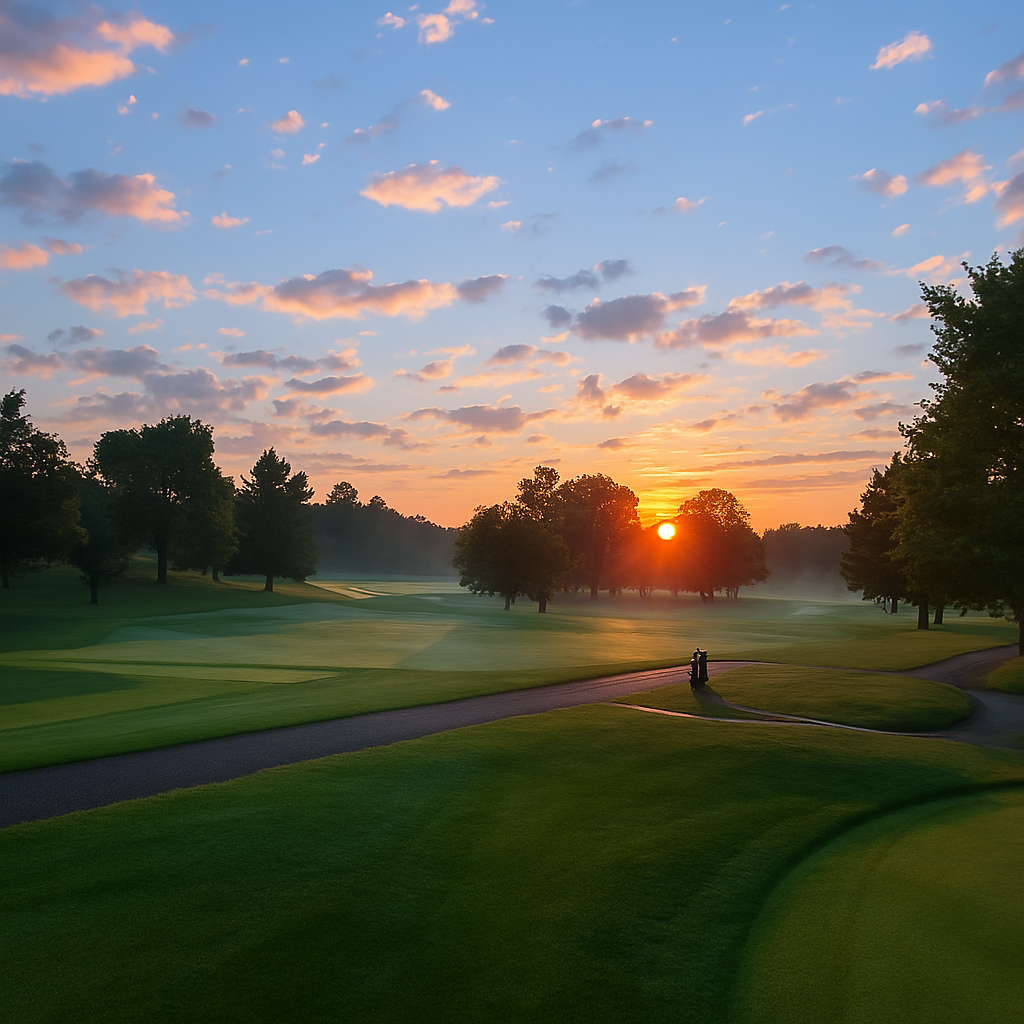
The William Flynn design at Green Valley is characterized by its rolling terrain, thoughtful integration with the natural landscape, and greens that offer a diverse and engaging putting challenge. Over the years, the course has seen revisions by architects like J.B. McGovern and Ed Ault, with more recent work by Jim Nagle in 2022 to maintain its classic charm and playability. Beyond golf, Green Valley Country Club provides a full range of amenities for its members, including indoor and outdoor tennis courts, an Olympic-size swimming pool, and various dining options, all set on 182 acres just minutes from Philadelphia.
20. Manufacturers’ Golf & Country Club

Manufacturers’ Golf & Country Club in Fort Washington, Pennsylvania, traces its distinguished roots back to 1887, when it was founded as the Manufacturers’ Club of Philadelphia by a collective of the city’s leading industrialists, predominantly from the textile sector. Initially operating as a city club in a magnificent Broad Street clubhouse, the burgeoning popularity of golf spurred the membership to seek a suburban retreat. This vision culminated in the acquisition of a sprawling 250-acre estate, which notably served as a portion of George Washington’s Whitemarsh Encampment in 1777, adding a layer of significant historical resonance to the club’s grounds.
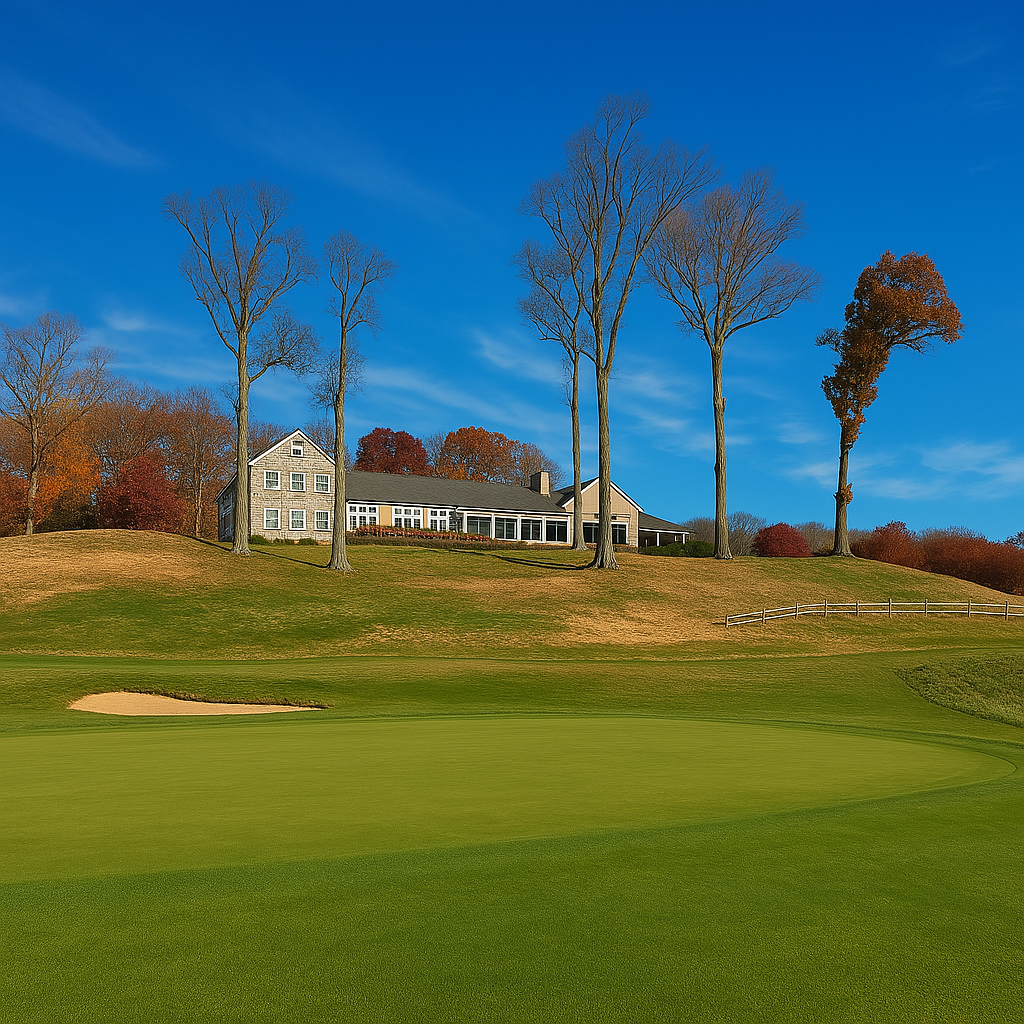
The club officially opened its golf course in 1925, designed by the celebrated firm of Toomey and Flynn, with William Flynn handling the master design. Flynn, a prominent figure in the “Philadelphia School” of golf architecture, masterfully integrated the natural topography of the property, including its rolling terrain and the Sandy Run Creek, into a challenging and strategic layout. Beyond the acclaimed golf course, which has hosted events like the U.S. Senior Women’s Amateur, Manufacturers’ also offers a host of amenities including tennis courts, paddle courts, and a swimming pool, all while preserving the grandeur of its original manor house clubhouse, which once belonged to a prominent sugar magnate.
19. Chester Valley Golf Club
Chester Valley Golf Club, located in Malvern, Pennsylvania, boasts a fascinating origin story tied to the Pennsylvania Railroad Company, which established it in 1923 for its employees. The club later acquired its current expansive property in Chester County in 1928, and the 18-hole course officially opened in 1929. While there’s some historical debate regarding the original architect, with evidence pointing to both Donald Ross and Perry Maxwell, the initial design was renowned for its unconventional routing, featuring no two consecutive holes proceeding in the same direction, which created a constantly shifting challenge against the natural breezes.
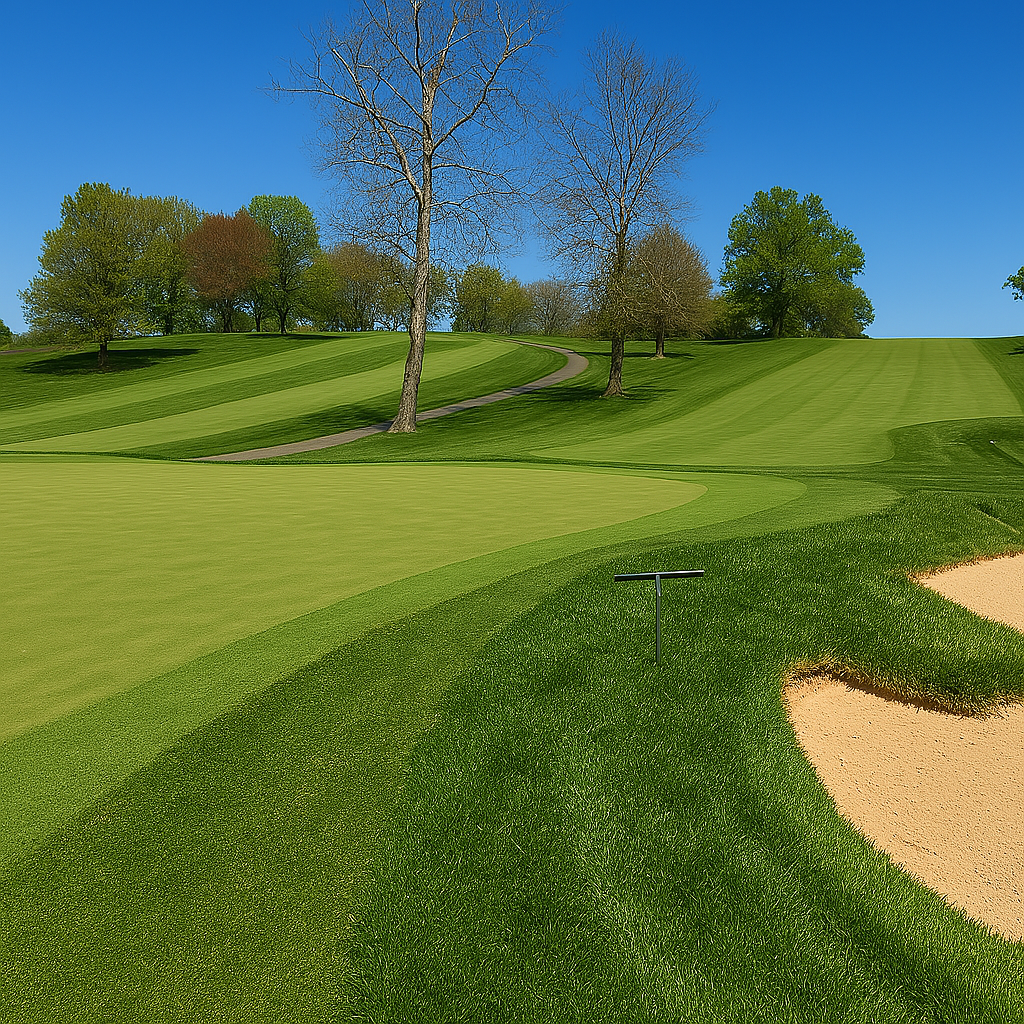
A significant chapter in Chester Valley’s history unfolded in 1968 when the construction of Route 202 necessitated a major redesign of the course. George Fazio was brought in to create the new layout, leaving only a handful of the original holes intact. Despite this transformation, Chester Valley Golf Club maintained its reputation as a formidable test of golf, evident in its 12-year tenure as a host for a Senior PGA Tour (now PGA Tour Champions) event from 1985 to 1997. Golf legends like Lee Trevino lauded the course as a “hidden jewel,” and even today, the club continues to invest in its facilities, with recent renovations and the exciting addition of a new six-hole par-three course set to open in summer 2025, further enhancing its appeal as a premier golfing destination.
18. Waynesborough Country Club

Waynesborough Country Club, located in Paoli, Pennsylvania, was founded in 1965 with a vision to create a family-centered country club offering top-tier facilities. The cornerstone of the club is its renowned 18-hole championship golf course, designed by the world-famous George Fazio. Fazio crafted a layout that was both challenging for accomplished players and enjoyable for all skill levels, featuring picturesque par-3s and a design that has seen updates over the years, including renovations by Tom Fazio (George’s nephew) in 2012 and Andrew Green in 2021-2022, ensuring its continued relevance and high quality.
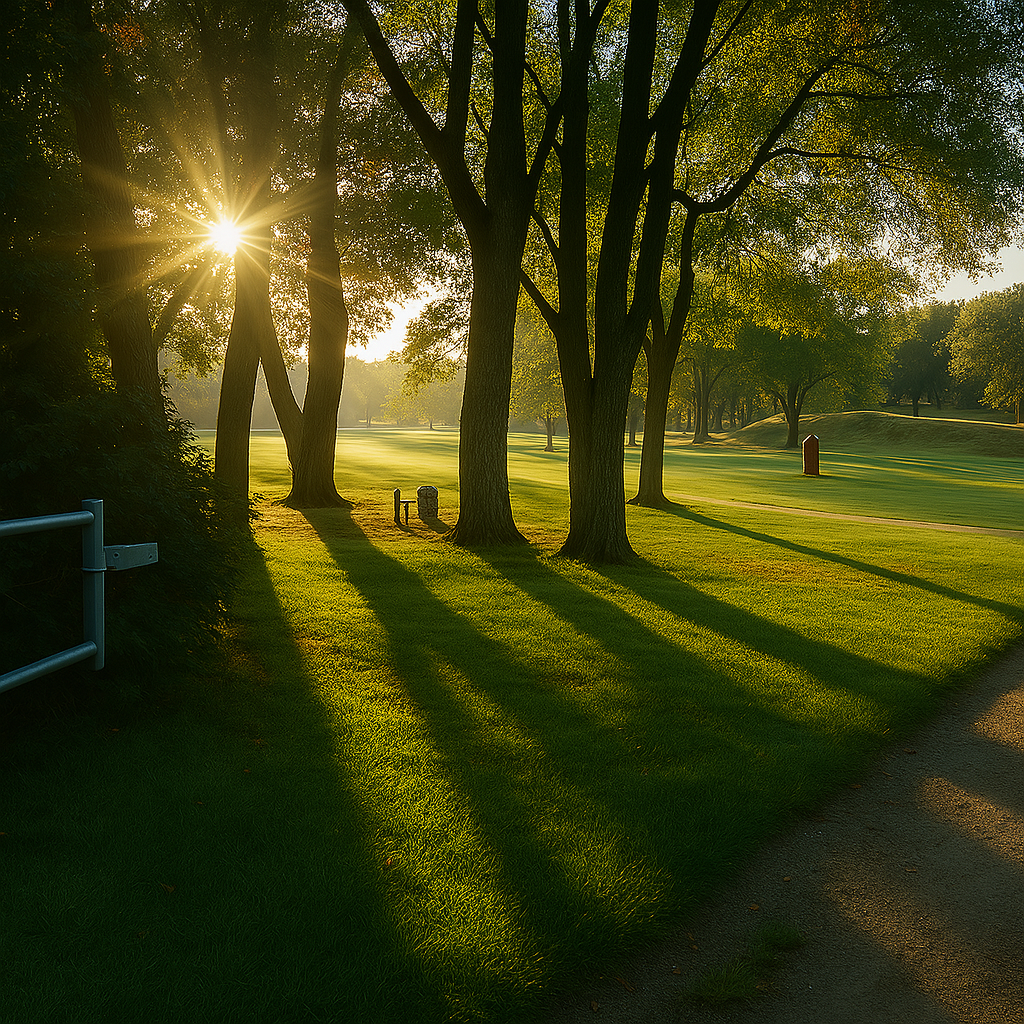
Beyond the greens, Waynesborough Country Club prides itself on a comprehensive array of amenities designed to cater to its diverse membership. The club offers extensive practice facilities for golfers, along with a robust racquets program featuring meticulously maintained tennis and paddle courts, and even new pickleball courts. A recently renovated pool complex provides a vibrant hub for summer activities, while multiple dining venues, including a casual pub and an elegant grille, ensure a variety of culinary experiences. Waynesborough’s commitment to creating a welcoming atmosphere for families is evident in its active social calendar and dedication to providing exceptional services across all its offerings.
17. Fox Chapel Golf Club

Fox Chapel Golf Club, located just outside Pittsburgh, Pennsylvania, is a distinguished private club with a rich history dating back to its founding in 1923. The jewel of the club is its 18-hole championship golf course, a masterpiece originally designed by the legendary Seth Raynor. Raynor, a protégé of the influential C.B. Macdonald, was known for his “template” holes, which replicated classic and strategic designs from the British Isles and Europe. Consequently, Fox Chapel’s course features many of these iconic elements, including elevated greens, strategic bunkering with vertical faces, and rolling fairways that demand precision and thoughtful shot-making.
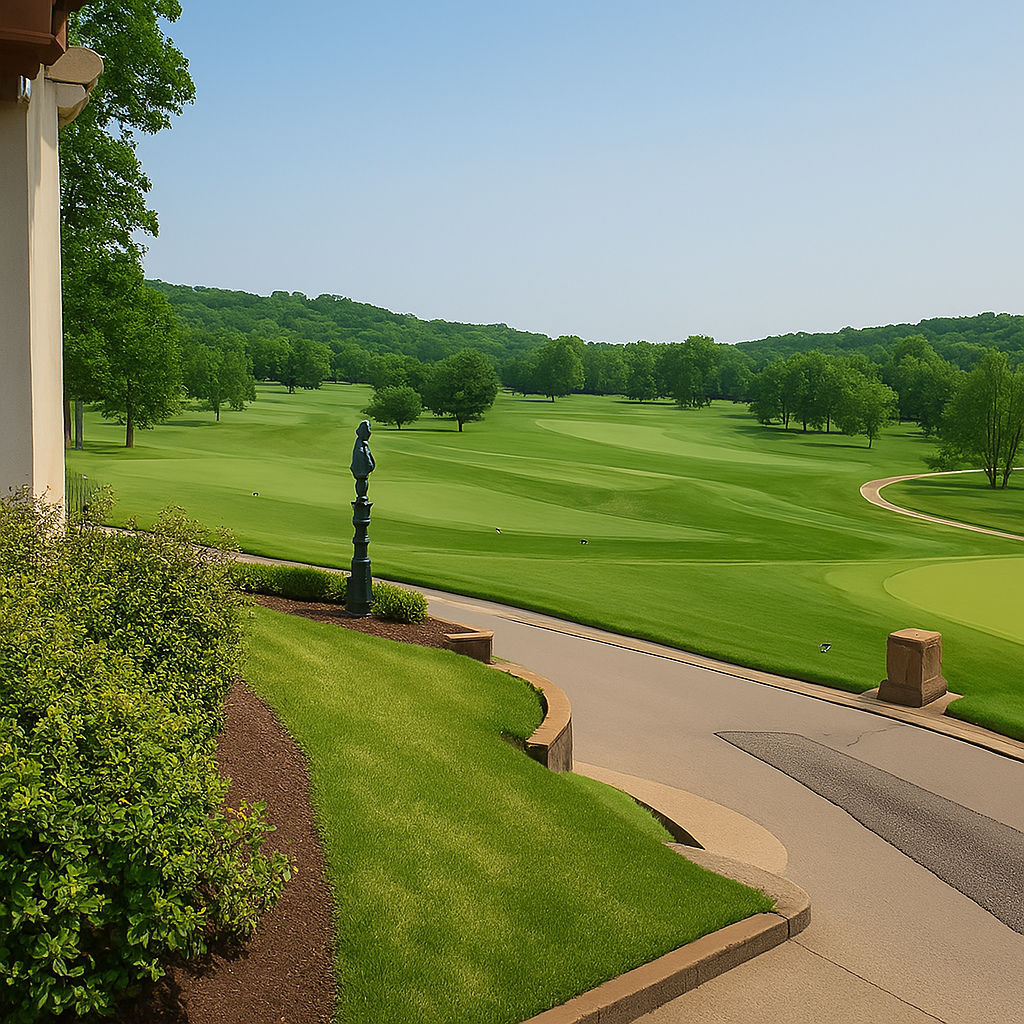
Over the years, Fox Chapel’s course has undergone significant restoration efforts to bring it back to Raynor’s original vision. Notably, a major project led by Brian Silva in 2001 and more recently by Tom Marzolf of Fazio Design has meticulously recreated lost bunkers, restored original green shapes, and re-established fairway lines that align with Raynor’s design philosophy. These restorations have ensured that Fox Chapel remains a challenging yet immensely rewarding experience, consistently earning its place among the top classic courses in the nation and making it a sought-after venue for prestigious amateur events like the Curtis Cup and professional tournaments such as the Constellation SENIOR PLAYERS Championship.
16. Pittsburgh Field Club

The Pittsburgh Field Club holds a distinguished place in American sporting history, tracing its origins back to 1882 as the Pittsburgh Cricket Club. While cricket was the initial focus, the growing popularity of golf led to its introduction in 1895, eventually prompting the club to relocate to its current expansive property in Fox Chapel in 1914. The 18-hole championship course, which opened in 1915, was designed by Alexander H. Findlay, often lauded as the “Father of American Golf.” This move cemented the club’s evolution into a premier country club, offering a comprehensive array of social and athletic pursuits to its members.
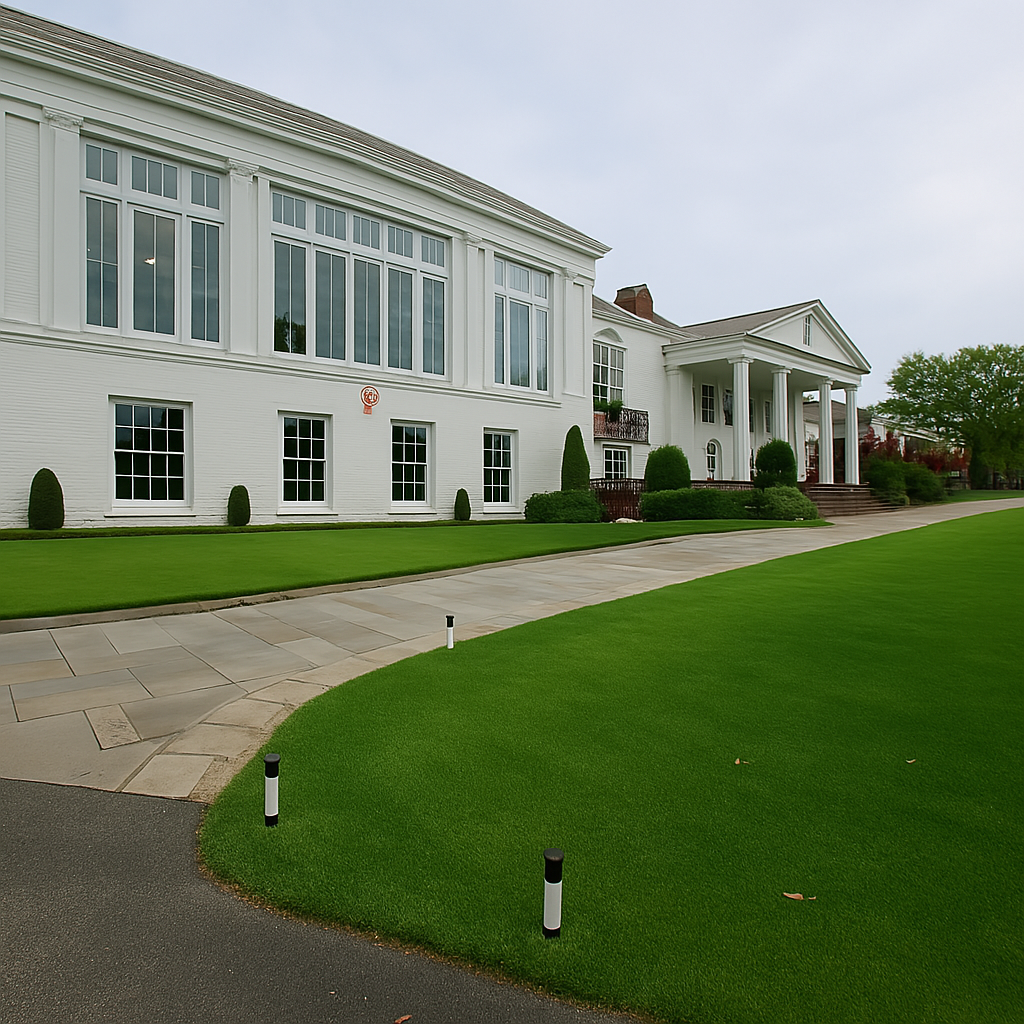
Over its long and storied existence, the Pittsburgh Field Club has welcomed some of golf’s most iconic figures and hosted significant tournaments. Notably, it was the venue for the 1937 PGA Championship, where legendary players like Sam Snead and Byron Nelson competed, and the 1959 Western Open, where Arnold Palmer was famously a runner-up to Mike Souchak, with a young Jack Nicklaus leading the amateur field. The course itself has seen various modifications by renowned architects, including Donald Ross and A.W. Tillinghast, contributing to its unique character. Perhaps one of its most distinctive features is a 70-foot elevator, built in 1938, that transports golfers from the 17th green to the 18th tee, a testament to the course’s challenging elevation changes and a unique piece of golf course infrastructure.
15. Lehigh Country Club

Lehigh Country Club, nestled in Allentown, Pennsylvania, boasts a rich history dating back to its incorporation in 1910. While the club initially started with a nine-hole course and a grand Italian villa-style clubhouse in 1912, the burgeoning interest in golf and a desire for an 18-hole championship layout led to a significant relocation. In 1925, a syndicate of dedicated members purchased the current 205-acre property, formerly the Kemmerer and Kline farms, laying the groundwork for what would become one of Pennsylvania’s most revered golf courses.
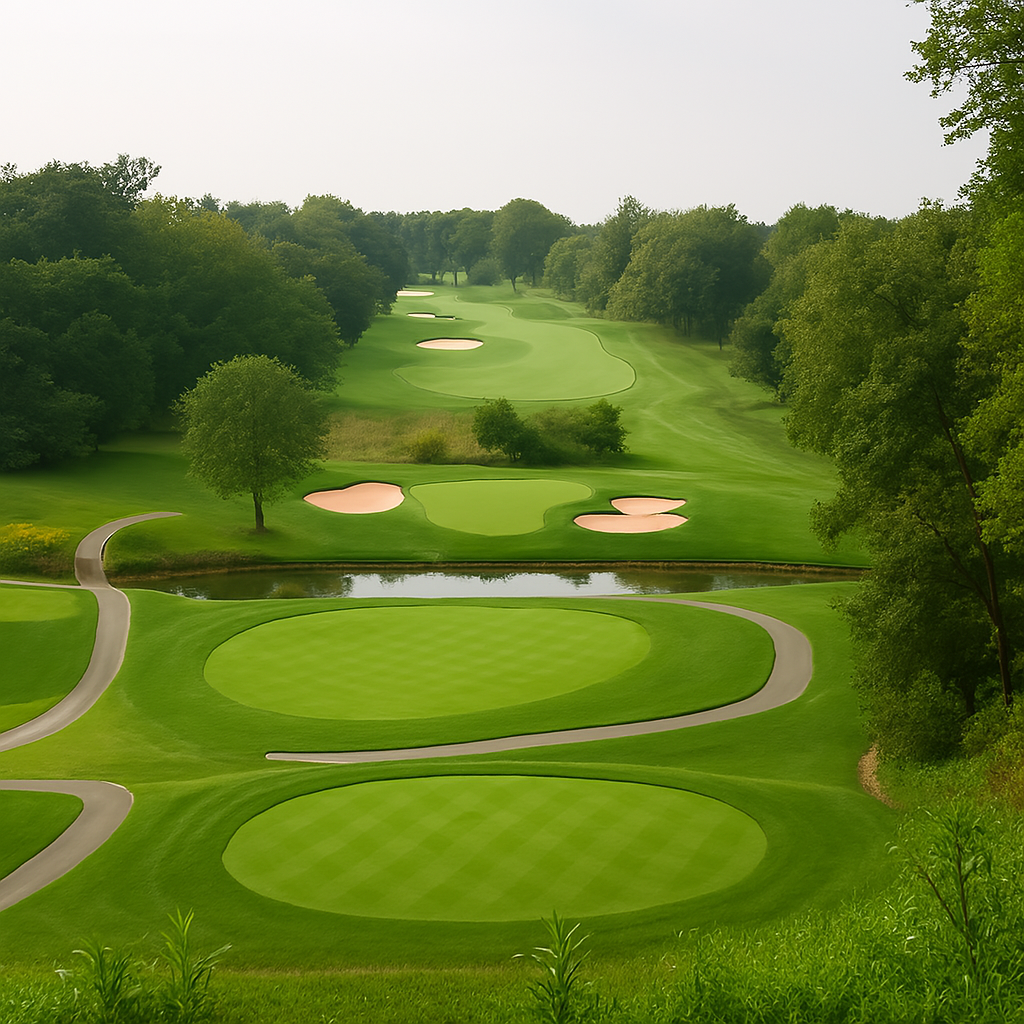
The current 18-hole course at Lehigh Country Club is a masterful creation by the esteemed golf course architect William S. Flynn, with construction overseen by his business partner Howard C. Toomey. Opened for play on Memorial Day in 1928, Flynn’s design is celebrated for its natural integration with the rolling terrain and the Little Lehigh River, which meanders through the property. The course is known for its dramatic elevation changes, strategic bunkering, and a collection of “some of the best greensites Flynn ever conceived,” making it a challenging yet eminently walkable parkland course that has consistently been ranked among the top in the state.
14. St. Davids Golf Club
St. Davids Golf Club, located in Wayne, Pennsylvania, boasts a proud and enduring history that traces back to its founding in 1897. While the club’s initial golf course iterations occupied various temporary locations, the pivotal moment arrived in 1927 with the opening of its permanent 18-hole championship course. This relocation marked a significant milestone, as the club acquired a substantial tract of land, ensuring a stable and long-term home for its golfing pursuits within the heart of the Philadelphia Main Line.
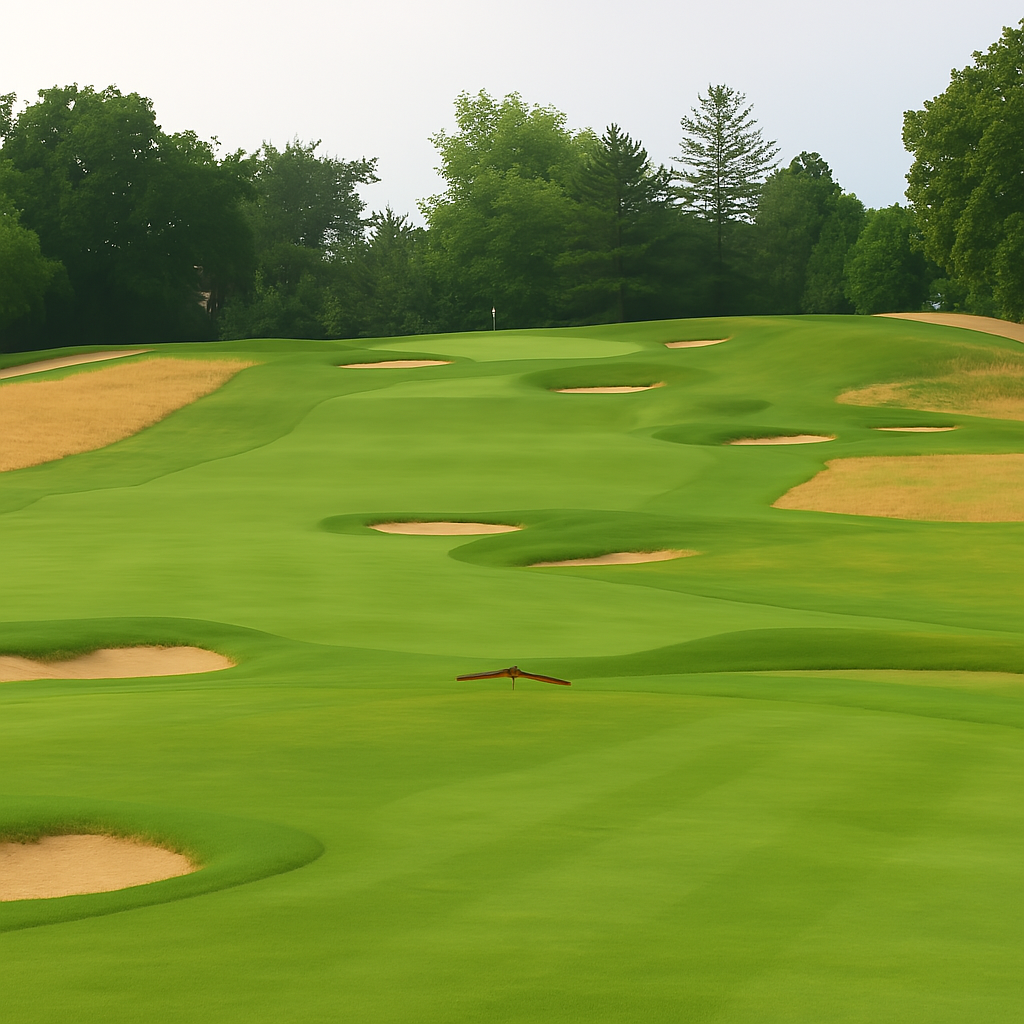
The current course at St. Davids is a design masterpiece by the legendary Donald Ross, a testament to his profound influence on American golf architecture. Ross, known for his strategic bunkering and artfully contoured greens, crafted a layout that has consistently tested golfers of all skill levels. The club has diligently preserved Ross’s vision through various restoration projects, with notable work by architects like Brian Silva and Ron Prichard, ensuring that the course maintains its classic character while adapting to modern play. This commitment to its heritage, combined with a warm and inviting atmosphere, has allowed St. Davids Golf Club to host numerous regional tournaments and qualifiers, solidifying its place as a cherished institution in the Philadelphia golf landscape.
13. Whitemarsh Valley Country Club
Whitemarsh Valley Country Club, situated in Lafayette Hill, Pennsylvania, boasts a significant and fascinating history that intertwines with one of golf’s most influential architects, George C. Thomas Jr. Incorporated on April 6, 1908, the club was formed by former members of the disbanded Mount Airy, and crucially, they purchased the land for their course from Thomas himself. This property, known as “Bloomfield Farm,” was Thomas’s home and the canvas for his early forays into golf course design. Whitemarsh Valley was one of only three courses Thomas designed in the East before he moved to California to become a renowned botanist and the architect behind such masterpieces as Riviera and Los Angeles Country Club’s North Course. His philosophy of creating memorable and diverse holes is clearly evident in Whitemarsh’s original layout.
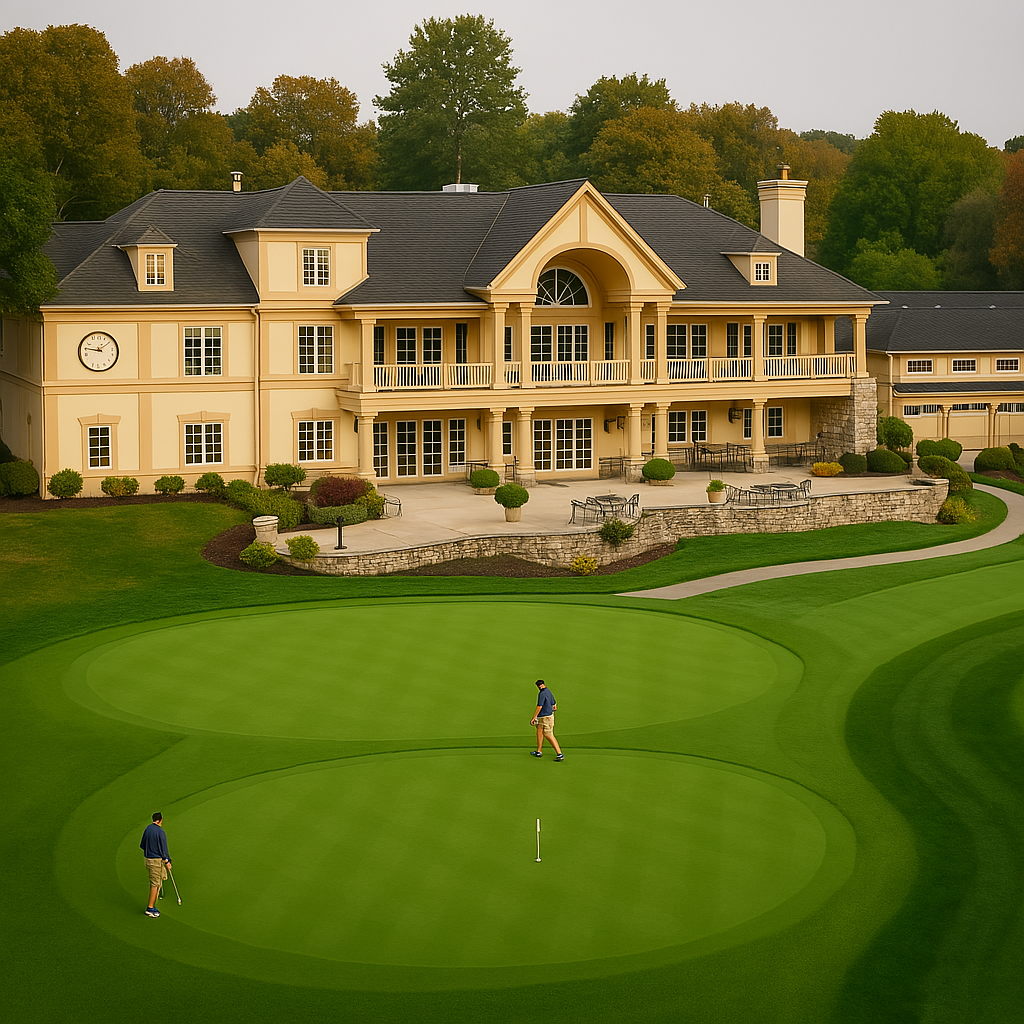
Over the decades, Whitemarsh Valley Country Club has cemented its place in golf history by hosting a remarkable array of prestigious tournaments. From the American Red Cross Patriotic Open in 1917, a wartime substitute for the U.S. Open won by Jock Hutchinson, to the 1934 U.S. Women’s Amateur and the 1951 Women’s Western Open won by Patty Berg, the club has a strong championship pedigree. Perhaps most notably, Whitemarsh hosted the Whitemarsh Open (later the Philadelphia Classic and IVB Golf Classic) on the PGA Tour for 18 consecutive years, from 1963 to 1980. This event saw golf legends like Arnold Palmer, who won the inaugural edition, and Jack Nicklaus, a three-time champion, grace its fairways, solidifying Whitemarsh Valley’s legacy as a significant venue in professional golf.
12. Gulph Mills Golf Club
Gulph Mills Golf Club, situated in King of Prussia, Pennsylvania, holds a unique and celebrated place in golf history, largely due to its original design by the esteemed Donald Ross. Founded in 1916 by a group of Merion Cricket Club members seeking a more intimate golfing experience, the club opened its 18-hole course in May of 1919. Ross himself believed Gulph Mills would be “a much superior course to any around Philadelphia,” and its early years were characterized by a commitment to maintaining a private and uncongested playing environment, with a limited membership size.
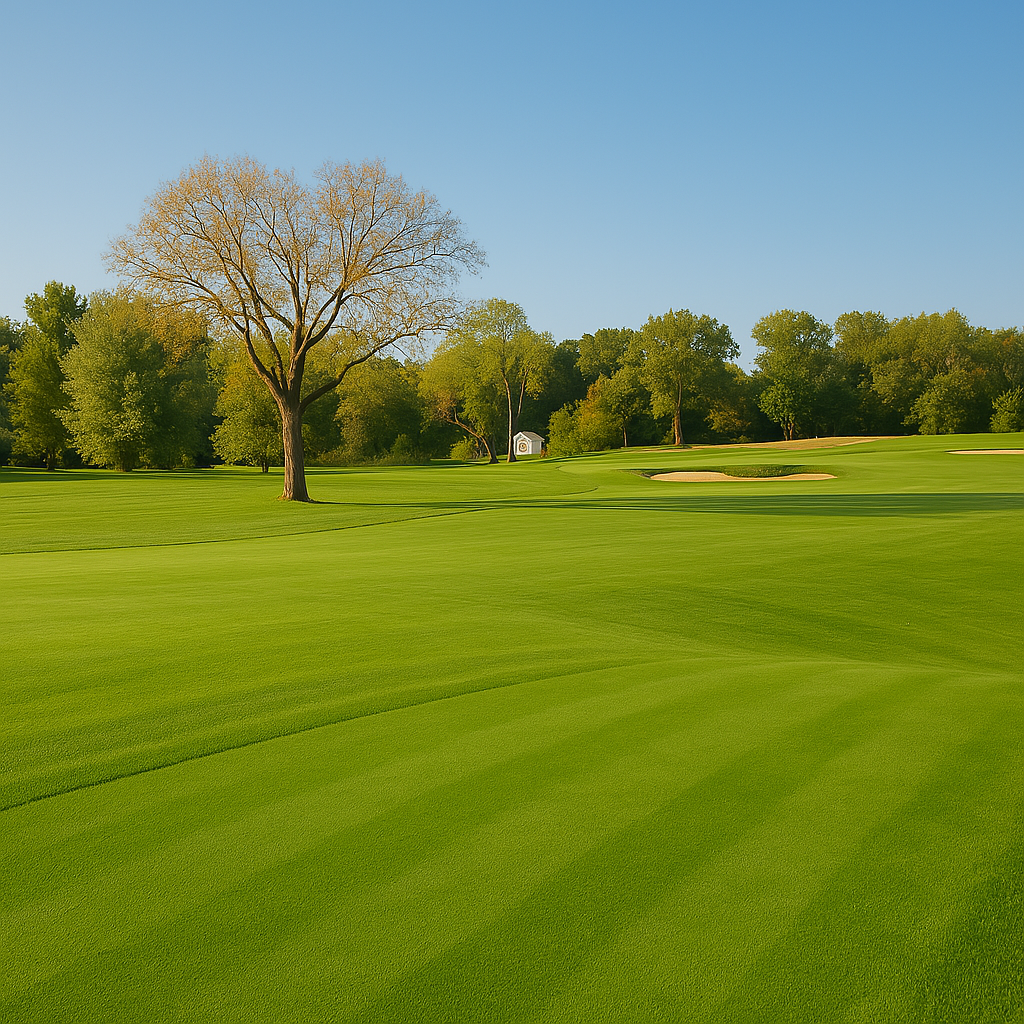
What truly sets Gulph Mills apart is its fascinating and extensive architectural evolution, with a remarkable roster of renowned golf course architects contributing to its design over the decades. While Ross established the foundational routing, subsequent changes and refinements were made by an impressive list of names including William Flynn, Perry Maxwell, Wayne Stiles, Robert Trent Jones, and most recently, Gil Hanse. This collaborative history has resulted in a course that continually adapts while striving to honor its classic roots, with recent work focusing on tree removal and the restoration of original Ross features, ensuring Gulph Mills remains a highly regarded and strategically engaging test of golf.
11. Aronimink Golf Club
Aronimink Golf Club, located in Newtown Square, Pennsylvania, boasts a storied history dating back to 1896, with its current magnificent 18-hole championship course designed by the legendary Donald Ross. Acquired in 1926, the club’s 300-acre property provided Ross with the ideal canvas for what he famously described as his “masterpiece.” Opened for play on Memorial Day in 1928, Aronimink quickly established itself as one of the finest and most challenging courses in the United States, embodying Ross’s philosophy of strategic bunkering and artfully contoured greens that demand precision and thoughtful shot-making from golfers of all levels.
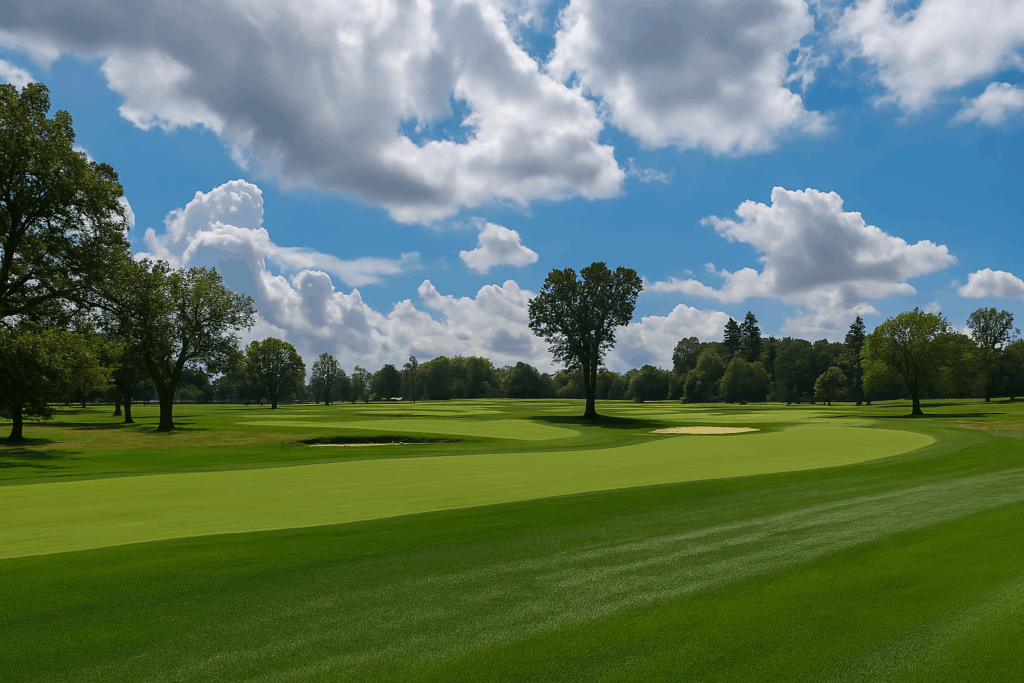
Over its long and distinguished existence, Aronimink Golf Club has been a favored venue for numerous major championships, showcasing its enduring quality and challenge. It hosted the 1962 PGA Championship, won by Gary Player, and the 1977 U.S. Amateur. More recently, Aronimink has welcomed the 2003 KitchenAid Senior PGA Championship, multiple AT&T National events, and the 2018 BMW Championship. Its continued relevance in the world of professional golf is highlighted by its selection to host the 2026 PGA Championship, marking a significant return to its championship roots and coinciding with the United States semiquincentennial celebration.
10. Philadelphia Cricket Club
Welcome to the historic grounds of the Philadelphia Cricket Club, nestled in the heart of Philadelphia, Pennsylvania. Established in 1854, the Philadelphia Cricket Club holds the distinction of being one of the oldest country clubs in the United States. With a rich heritage deeply rooted in the traditions of cricket and tennis, the club has evolved into a premier sporting and social institution.
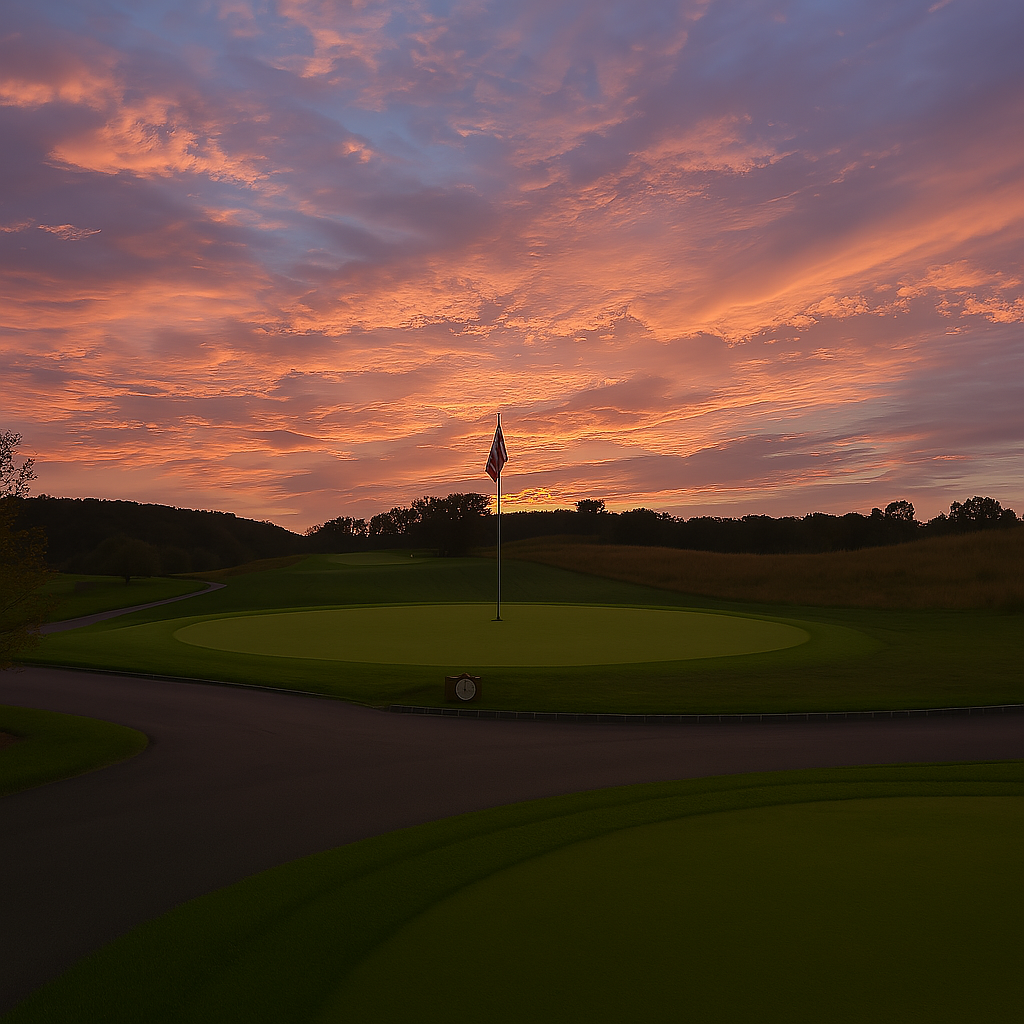
Spanning over 150 acres of lush greenery, the Philadelphia Cricket Club offers a picturesque setting for members and guests alike. Beyond its well-manicured cricket fields and tennis courts, the club boasts a stately clubhouse that serves as a hub for social gatherings, and events, and a testament to the club’s enduring legacy.
9. Sunnehanna Country Club

Sunnehanna Country Club, located in Johnstown, Pennsylvania, opened its doors on September 8, 1923, taking its name from the Native American word for the Stoneycreek River, meaning “slow moving stream.” The club quickly became a source of pride for its members and the wider community, offering not just a golf course but also a swimming pool, tennis courts, a bridal path, and a grand clubhouse with billiards and bowling alleys. Its design, attributed to the renowned Albert W. Tillinghast, features a course perched on a hilltop that meanders 360 degrees around the clubhouse, characterized by small, well-bunkered greens that demand accurate iron play.
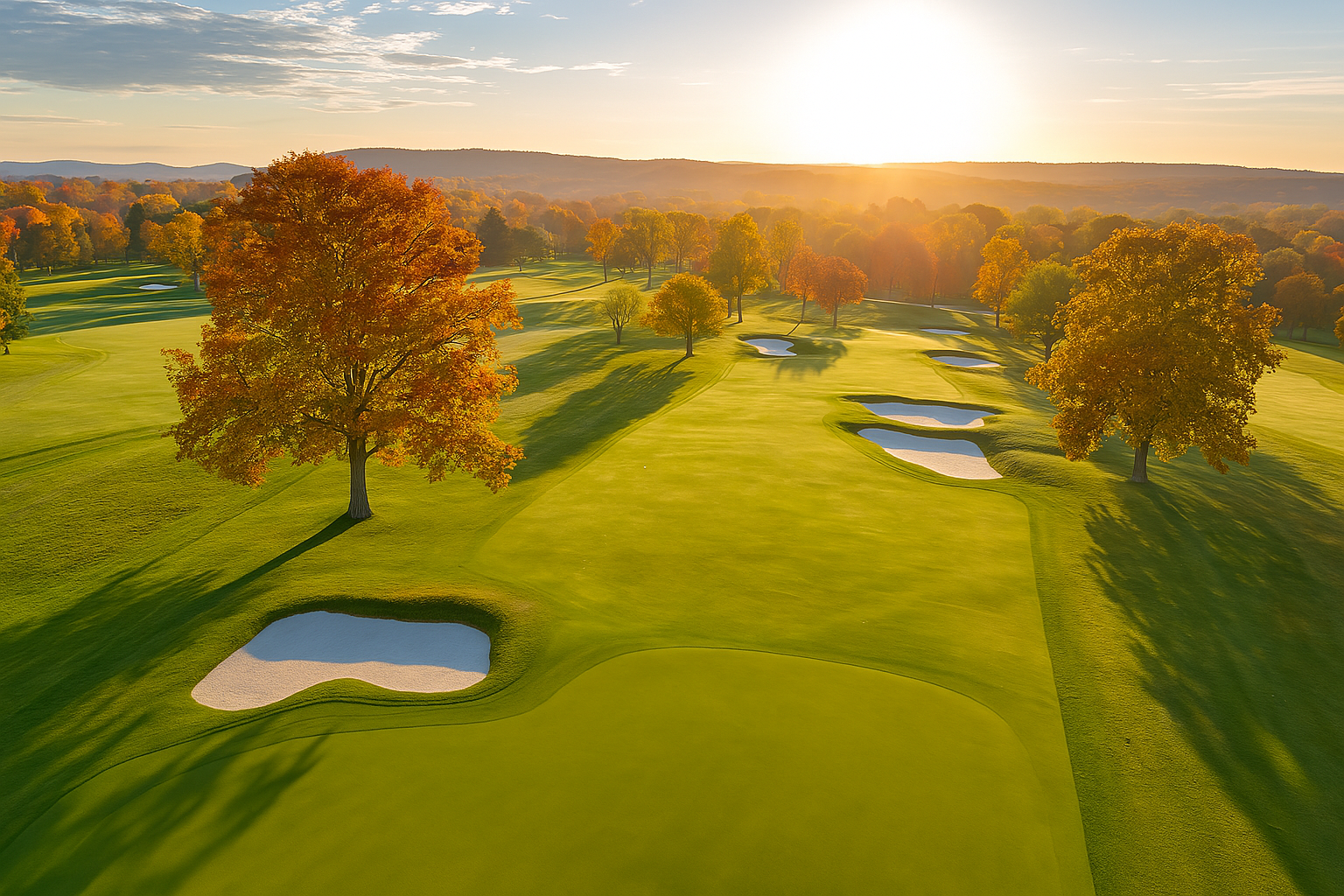
Beyond its physical attributes, Sunnehanna Country Club is particularly famous for the Sunnehanna Amateur, a prestigious men’s amateur golf tournament established in 1954. This event holds a unique place in golf history as the first country club-sponsored 72-hole stroke play competition for amateurs in the United States. The Sunnehanna Amateur has consistently attracted a stellar field of future golf legends, with past participants including Arnold Palmer, Jack Nicklaus, Tiger Woods, Phil Mickelson, Justin Thomas, and Collin Morikawa. Its rigorous format and challenging Tillinghast design have made it a vital proving ground for rising stars, solidifying Sunnehanna’s legacy as a cornerstone of elite amateur golf.
8. Huntsville Golf Club

Huntsville Golf Club, located in Shavertown, Pennsylvania, stands as a testament to pure golf, designed without the typical considerations of real estate development or tourism. Opened in 1994, this challenging and visually striking course was conceived by renowned architect Rees Jones, often referred to as “The Open Doctor” for his work on U.S. Open venues. Jones meticulously sculpted the 18-hole layout from over 470 acres of rolling terrain, wooded areas, and even old stone walls, resulting in a design that blends seamlessly with the natural landscape and offers a diverse and engaging experience for golfers of all skill levels.
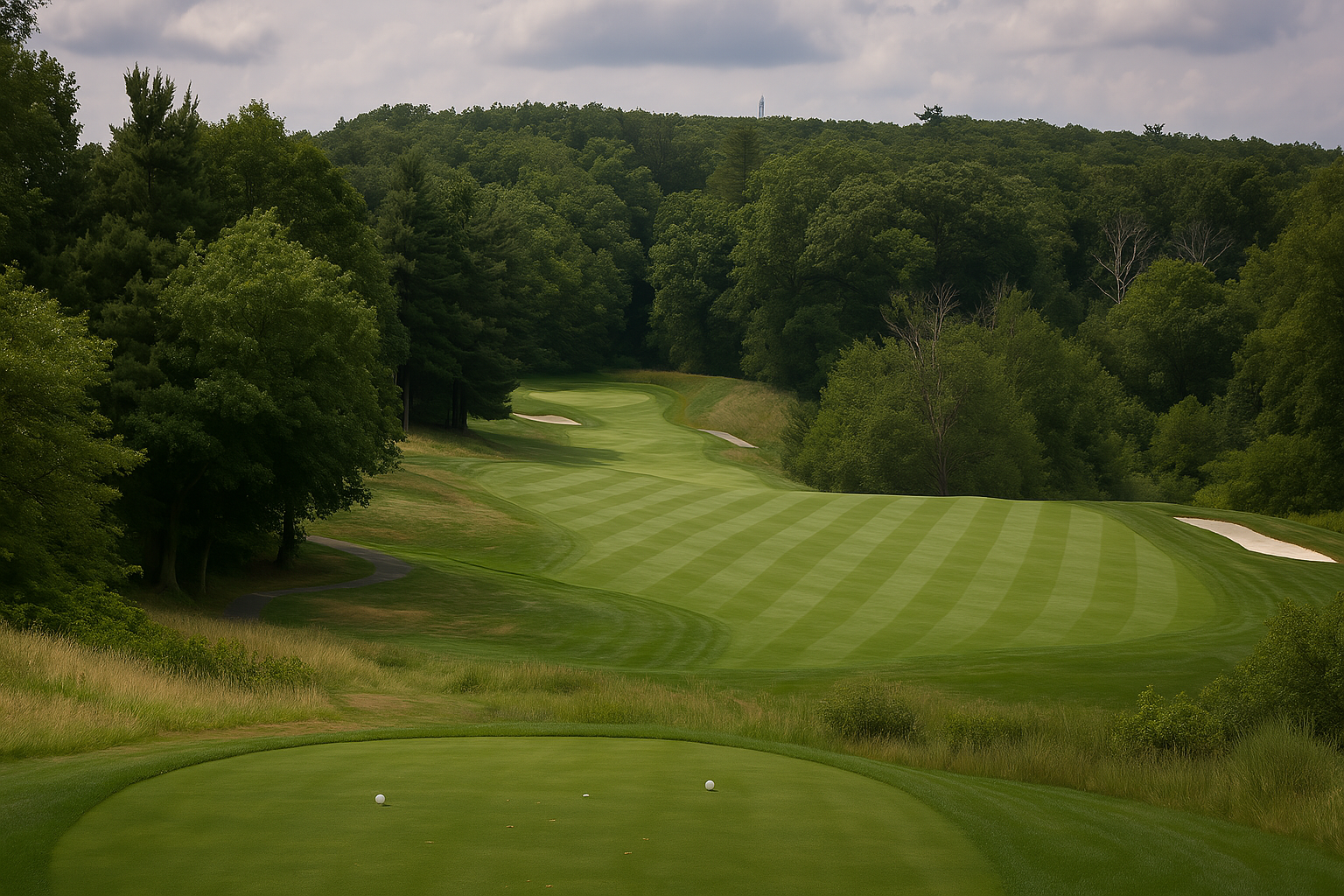
What sets Huntsville apart is its commitment to a traditional, “old-style” design that emphasizes a risk-reward system, rewarding strategic play and precise shot-making. The course features significant elevation changes, including a dramatic 125-foot drop on the par-4 2nd hole, which Golf Digest has recognized as one of the “Top 500 Holes in the World.” Beyond its captivating layout, Huntsville also provides exceptional practice facilities, a dedicated caddie program, and a distinctive single-story clubhouse designed by acclaimed architect Peter Bohlin, further solidifying its reputation as a premier private golf club in Pennsylvania.
7. The Club at Nevillewood
The Club at Nevillewood, situated in Presto, Pennsylvania, is a distinguished private country club that opened its doors in 1992. The centerpiece of the club is its 18-hole championship golf course, a notable creation by the legendary Jack Nicklaus, making it the only Jack Nicklaus Signature Golf Course within a 100-mile radius. Nicklaus meticulously designed the layout, moving nearly a million cubic yards of earth to craft a challenging yet playable course that blends seamlessly with the rolling hills and picturesque vistas of Western Pennsylvania.
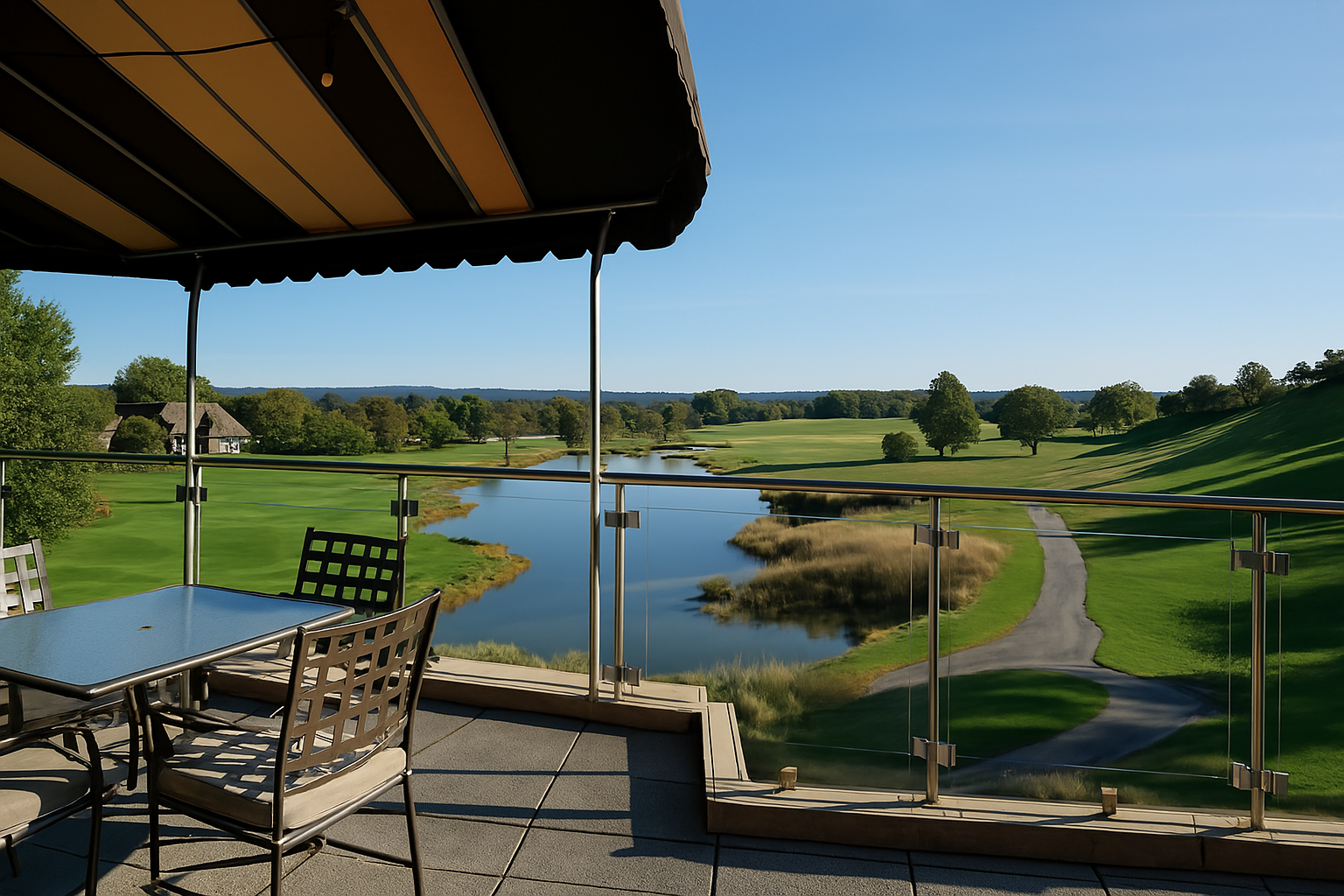
Beyond its acclaimed golf course, which has garnered recognition as one of Pennsylvania’s finest and even features a hole selected for Nicklaus’s “Bear’s Best” collection, The Club at Nevillewood offers a comprehensive suite of luxury amenities. The club has recently undergone significant renovations as part of a multi-million dollar master plan, enhancing its elegant clubhouse, expanding dining options, and adding a state-of-the-art wellness center and a newly renovated pool complex. These ongoing improvements, coupled with its history of hosting prestigious events like the Mario Lemieux Celebrity Invitational, underscore Nevillewood’s commitment to providing a premier golf and social experience for its members.
6. Rolling Green Golf Club

Rolling Green Golf Club, nestled in Springfield, Pennsylvania, stands as a cherished “hidden gem” among Philadelphia’s historic golf courses. Its origins trace back to the early 1920s, when a group of discerning gentlemen, many of whom were Quakers from the nearby Springhaven Club, envisioned a club where the game of golf itself was paramount. This vision materialized with the formal design and construction of the 18-hole golf course in 1925 by the esteemed William S. Flynn, opening to play with rave reviews in 1926. Flynn, a renowned architect known for his work at Merion and Shinnecock Hills, crafted a layout celebrated for its strategic play, natural integration with the terrain, and challenging, undulating greens.
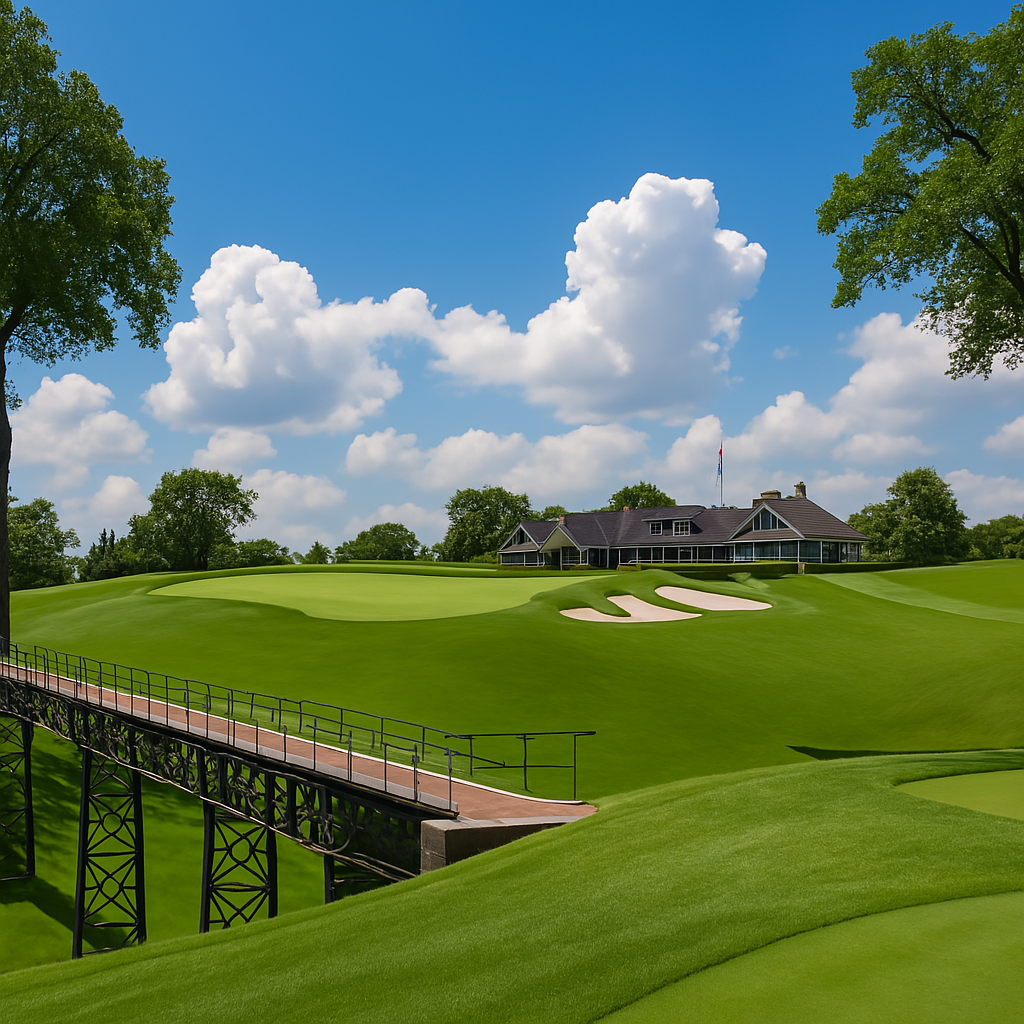
Over its nearly century-long history, Rolling Green has maintained a steadfast commitment to preserving Flynn’s original design philosophy. While minor modifications were made in the early years, the course’s sequence of holes has never been changed, and recent restoration efforts by firms like Rhebb & Johns have focused on meticulously bringing back the genuine intent of Flynn’s 1926 design. These projects have involved careful research of historical plans and aerials, leading to the restoration of bunkers, re-establishment of original contours, and strategic tree management. This dedication to architectural purity, coupled with its status as a host for prestigious events like the 1976 U.S. Women’s Open and the 2016 U.S. Women’s Amateur, ensures that Rolling Green Golf Club continues to offer a truly classic and demanding test of golf.
5. Saucon Valley Country Club

Saucon Valley Country Club, nestled in Upper Saucon Township in Pennsylvania’s Lehigh Valley, is a sprawling and distinguished private club founded in 1920 by a group of local businessmen, many from Bethlehem Steel. The club’s initial offering, the “Saucon Course” (now known as the Old Course), was designed by Herbert Strong and opened in 1922. This early vision quickly expanded due to growing membership, leading to the development of additional courses, transforming Saucon Valley into one of the largest private clubs in North America with an impressive 60 holes of golf across three championship 18-hole layouts – the Old, Grace, and Weyhill Courses – and a six-hole beginners’ course.
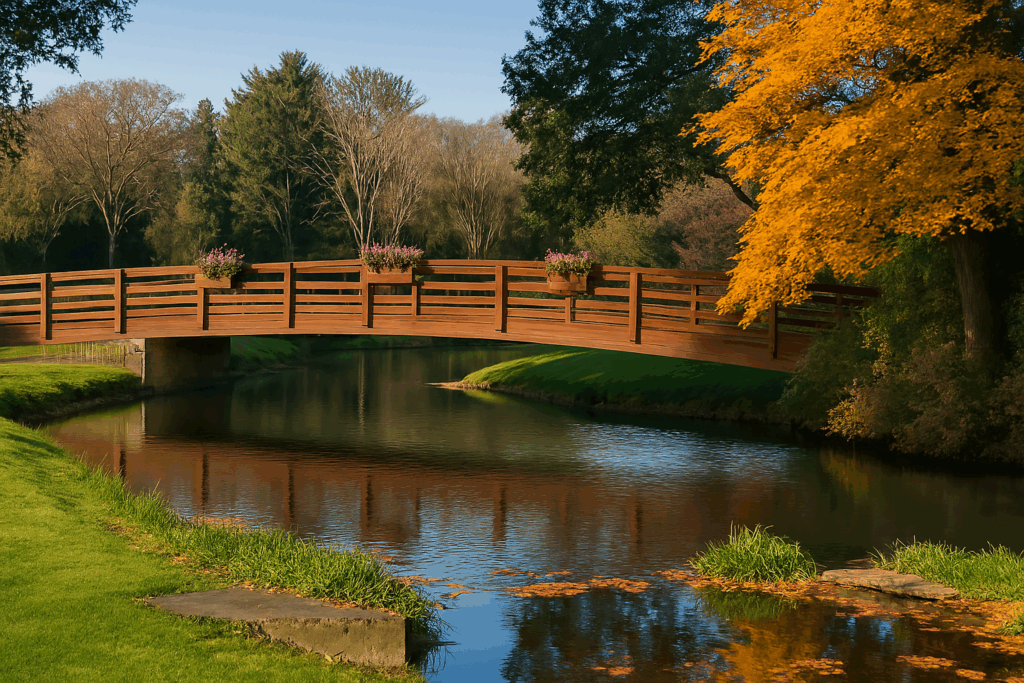
Saucon Valley’s reputation extends far beyond its impressive number of holes; it has cemented its place in golf history as a frequent host of United States Golf Association (USGA) national championships. The venerable Old Course, in particular, has seen a remarkable eight USGA events, including multiple U.S. Senior Opens (1992, 2000, and 2022) and the prestigious 2009 U.S. Women’s Open. This consistent selection by the USGA, alongside all three championship courses appearing on various “Top 100” rankings, underscores Saucon Valley Country Club’s enduring commitment to golf excellence and its status as a world-class venue.
4. Lancaster Country Club
Lancaster Country Club, located in Lancaster, Pennsylvania, traces its origins back to 1900, originally featuring a nine-hole course at a different location. The club’s significant evolution began with its move to the current 205-acre property in 1913, where the first phase of its permanent clubhouse was erected. However, it was the engagement of renowned golf course architect William Flynn in 1919 that truly shaped the club’s destiny. Flynn, celebrated for his work at other esteemed courses, designed an 18-hole championship layout that masterfully integrated with the rolling terrain and the Conestoga River, establishing the foundation for what would become one of Pennsylvania’s most respected golfing venues.
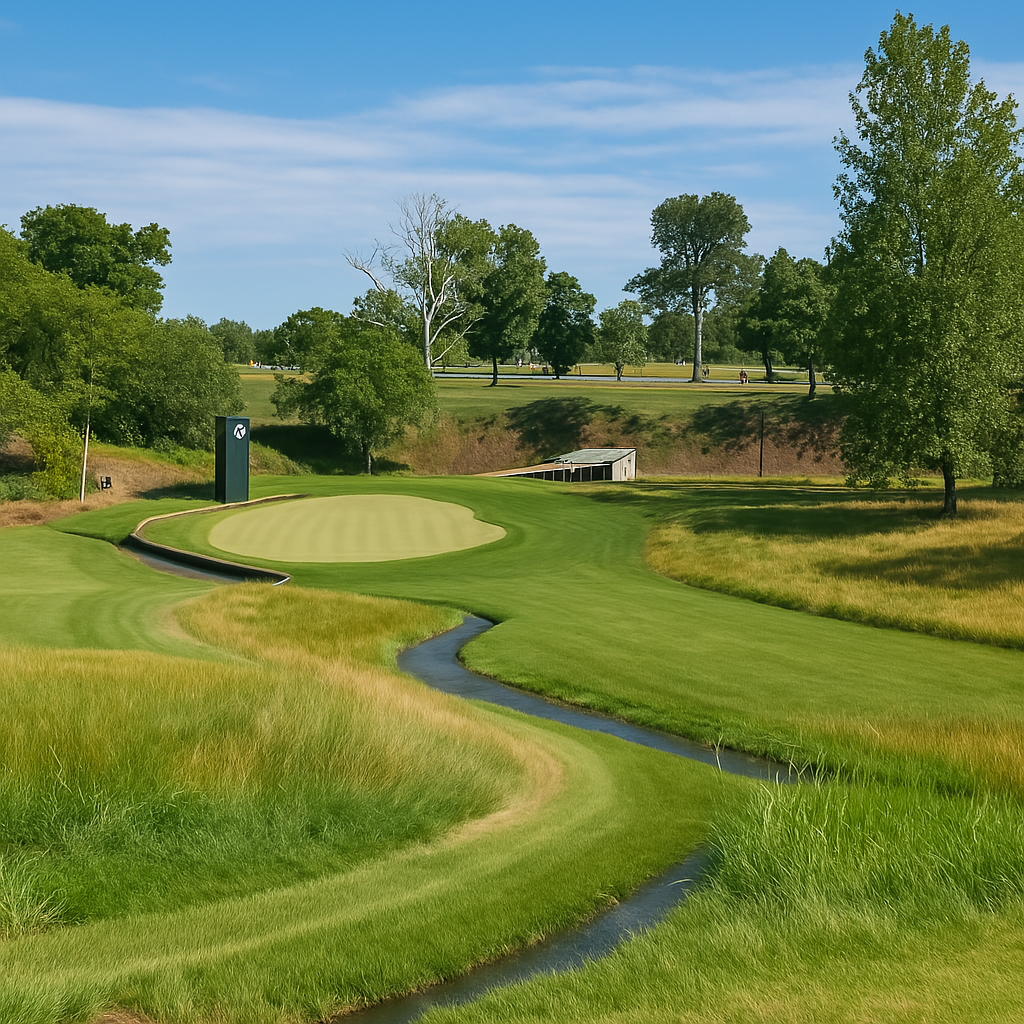
Lancaster Country Club has gained significant national and international recognition through its hosting of major championships, particularly the U.S. Women’s Open. The club successfully hosted this prestigious event in 2015, drawing a record-breaking 135,000 spectators and garnering widespread acclaim for both its challenging course and the enthusiastic community support. This success led to the U.S. Women’s Open’s return in 2024, further solidifying Lancaster Country Club’s reputation as a world-class championship venue that consistently delivers a demanding test for the best female golfers while showcasing the beauty of its William Flynn design.
3. Philadelphia Country Club
Philadelphia Country Club, located in Gladwyne, Pennsylvania, is one of the nation’s oldest and most historically significant country clubs, established in 1890. Initially rooted in equestrian pursuits like polo, the club quickly embraced the burgeoning popularity of golf, laying out a nine-hole course in Bala Cynwyd. However, the definitive step in its golf history came with the acquisition of its current expansive property in 1926, which allowed for the creation of its acclaimed 18-hole Spring Mill Course, a masterpiece designed by the renowned American golf course architect William S. Flynn. This transition marked a commitment to golf that would see the club become a foundational member of the USGA and a frequent host of championship events.
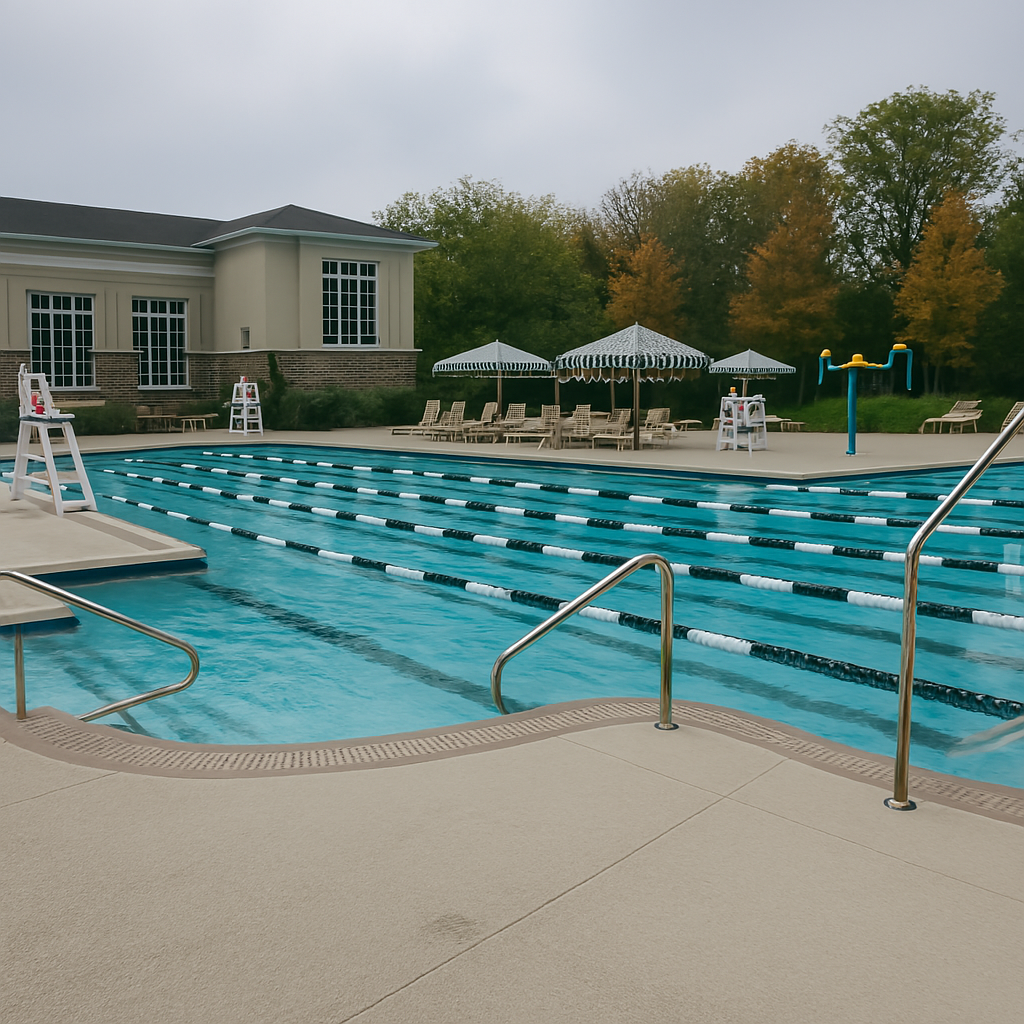
The Spring Mill Course, opened in 1927, is a quintessential example of Flynn’s Golden Age design philosophy, characterized by its strategic bunkering, artful integration with the rolling terrain, and subtly contoured greens that demand precision. The club’s championship pedigree is extensive, highlighted by its hosting of the 1939 U.S. Open, famously won by Byron Nelson in a dramatic playoff, and where Sam Snead’s final-hole misadventure became a piece of Open lore. Philadelphia Country Club has also hosted the 1899 U.S. Women’s Championship, the 2003 U.S. Women’s Amateur, and co-hosted the 2005 U.S. Men’s Amateur, solidifying its place as a revered venue in American golf. Beyond golf, the club boasts a 9-hole Centennial course designed by Tom Fazio and a vast array of amenities, including squash, tennis, paddle courts, bowling, a pool, and a sprawling clubhouse, catering to a diverse and active membership.
2. Merion Golf Club

Merion Golf Club, located in Ardmore, Pennsylvania, holds an almost mythical status in the world of golf, renowned for its challenging East Course, which opened in 1912. Designed by Hugh I. Wilson, an amateur golfer who traveled to Britain to study classic layouts, Merion’s East Course is celebrated for its masterful routing on a relatively compact 126 acres, utilizing every inch of the land to create a diverse and strategic test. Its distinctive features include the famous “white faces of Merion” – dramatic, deep Scottish-style bunkers – and the unique wicker baskets that replace traditional flagsticks on the greens, adding to its iconic and often intimidating allure.
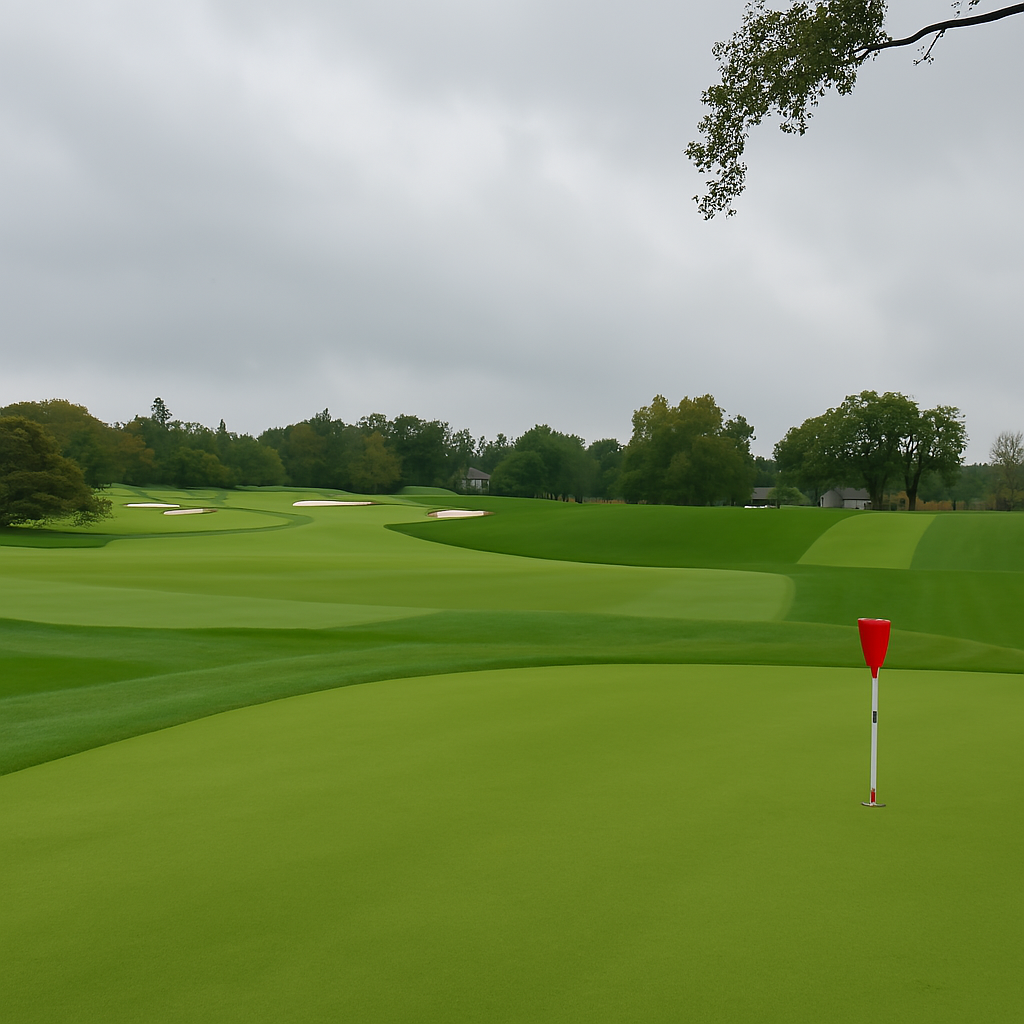
Merion’s legacy is further cemented by its unparalleled history as a host of major championships. It has welcomed more United States Golf Association (USGA) championships than any other course, including five U.S. Opens, most recently in 2013, where only Justin Rose finished under par. The club is also famous as the site where Bobby Jones completed his historic Grand Slam in 1930, and where Ben Hogan made his miraculous comeback at the 1950 U.S. Open, famously hitting his 1-iron to the 18th green. Merion’s timeless design and rich championship pedigree ensure its continued reverence as one of the world’s most significant and challenging golf courses.
1. Oakmont Country Club

Oakmont Country Club, located near Pittsburgh, Pennsylvania, stands as one of the most revered and challenging golf courses in the world, a reputation it has held firmly since its establishment in 1903. Designed by Henry Fownes, the course was envisioned as a severe test of golf from its inception, characterized by its formidable length, tight fairways, and a staggering 175 bunkers that are strategically placed to punish even slight deviations. Perhaps its most iconic feature is the “Church Pews” bunker, a massive sand hazard with grass-covered ridges that runs between the 3rd and 4th fairways, a visual and strategic nightmare for any golfer.
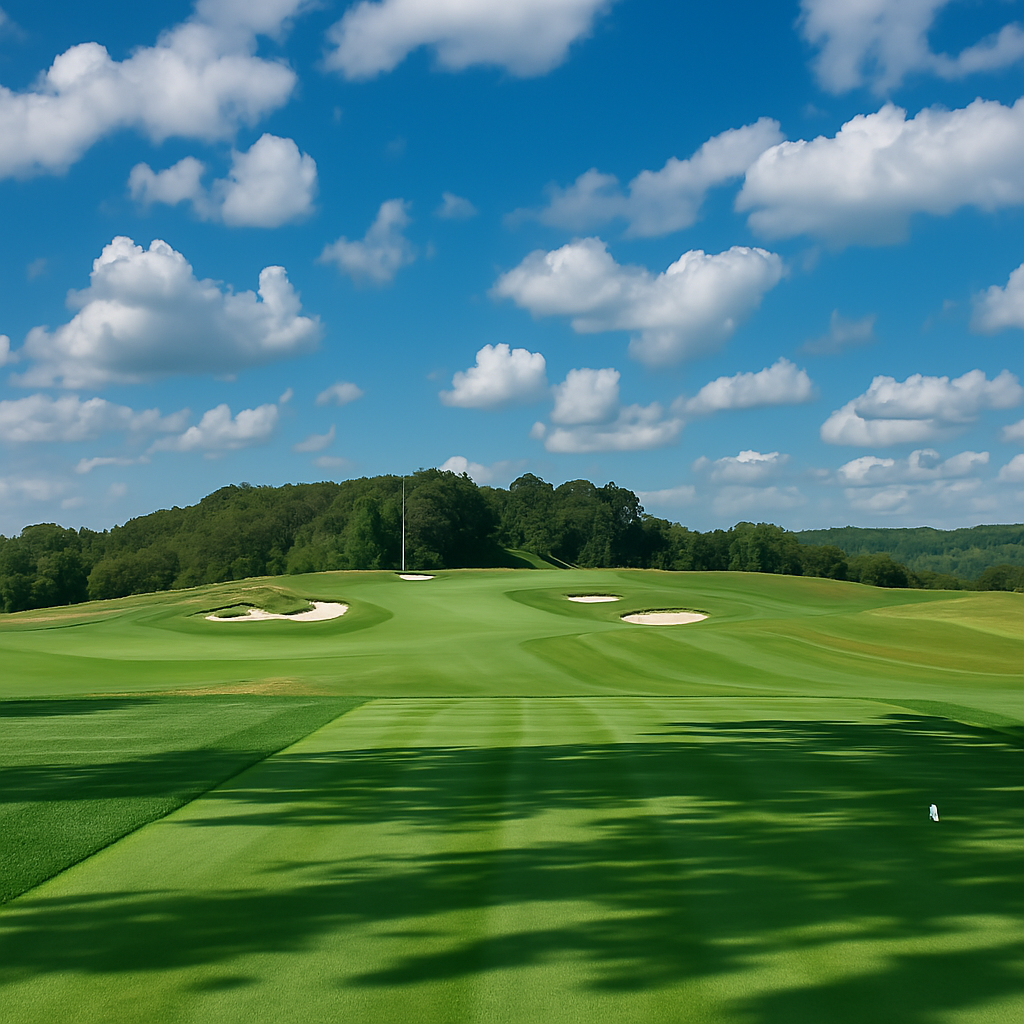
Oakmont’s place in golf history is unrivaled by its consistent role as a major championship venue. It has hosted the U.S. Open more times than any other course, with its tenth scheduled for 2025, and has also welcomed multiple PGA Championships, U.S. Amateurs, and U.S. Women’s Opens. The course is famously known for its incredibly fast and undulating Poa annua greens, which contribute significantly to its high course rating and slope, making it one of the most difficult layouts in the United States. Despite early plantings of trees, recent restoration efforts have aimed to return Oakmont to its original links-style appearance, reinforcing its commitment to its founder’s penal design philosophy.
These clubs represent the epitome of luxury and exclusivity in Pennsylvanian country club scene. Each offers a unique blend of world-class golf, opulent amenities, and a commitment to privacy, catering to the elite who seek the finest in leisure and lifestyle.